



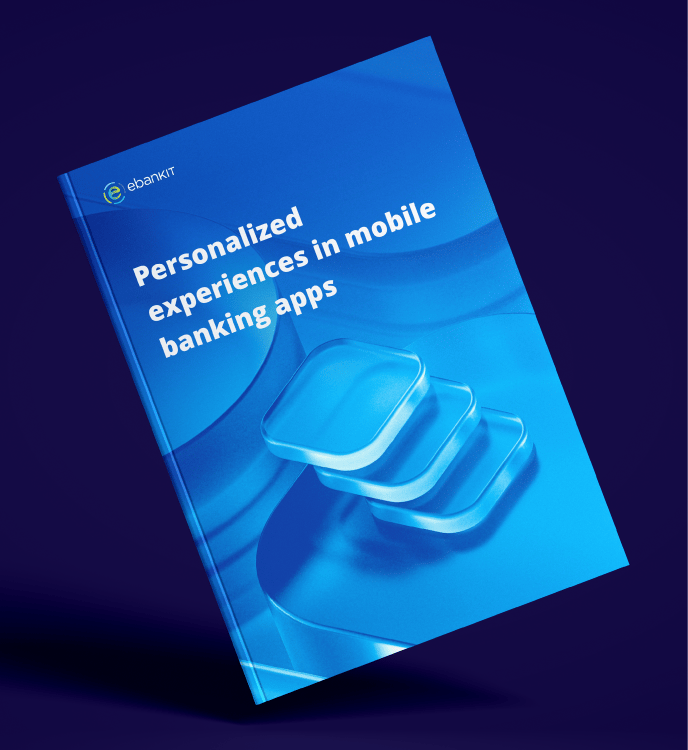

What will you learn?

Why disconnected systems are increasing operational complexity, slowing innovation, and impacting client experience.

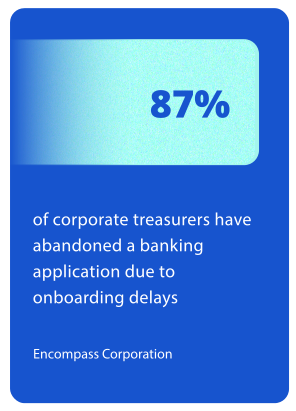
How lengthy onboarding journeys are contributing to client abandonment and revenue loss.

The six expectations reshaping commercial banking relationships in 2026.

Why unified architecture is becoming essential for scalable AI adoption and intelligent automation.

Discover how leading institutions are using digital capabilities to strengthen, not replace, human relationships.

Learn why composable, unified experience layers are emerging as the preferred modernization strategy.

Lead the future of commercial banking
The future of commercial banking is unified, intelligent, and humanized
The institutions closing the experience gap today are creating the foundation for stronger client relationships, faster innovation, scalable AI adoption, and more efficient operations.

The numbers
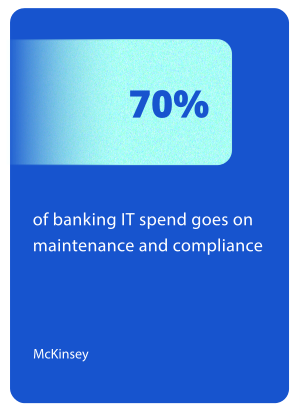


Commercial clients increasingly favor online channels. 80% of MSME clients in Europe are active on digital banking platforms at least once every 30 days in 2024, 17% more than retail clients and one in two UK SMEs now use mobile banking apps weekly, with Canada and the US close behind at 45%.
McKinsey, 2025


%20without%20SAM%20-%20Maturity%20Level%20-%202-KO%20edit.webp?width=160&height=57&name=67768-ebankIT%20Platform%20-%20CMMI%20Development%20V2.0%20(CMMI-DEV)%20without%20SAM%20-%20Maturity%20Level%20-%202-KO%20edit.webp)

.svg)
.svg)